Clear Measures for Stronger Conversations and Teamwork


Today we dive into Assessment Rubrics and Observation Checklists for Communication and Collaboration, translating big goals into clear, fair, and teachable moments. You’ll find practical language, ready-to-adapt examples, and reflection prompts to elevate discussions, presentations, and teamwork. Share your experiences, ask questions, and help shape the next iteration of tools as we learn together across classrooms, studios, and meeting rooms.

Begin with Outcomes You Can See and Hear

Build Descriptors That Capture Depth and Nuance

Design performance levels that move beyond frequency counts to describe quality, impact, and transfer. Good descriptors distinguish surface politeness from rigorous listening, and task completion from true interdependence. Clarify how ideas are synthesized, conflicts resolved, and responsibilities balanced over time. When language honors nuance, learners can see the staircase ahead, take the next step confidently, and experience feedback as a narrative of progress rather than a static label.

Observe with Purpose in Live and Online Spaces

Observation tools must adapt to buzzing classrooms, virtual breakouts, and workplace huddles. Plan what evidence to capture in each setting, from conversational moves to artifact handoffs. Predefine quick codes and sentence stems to keep notes efficient without losing texture. Thoughtful preparation lowers cognitive load while you watch, listen, and document, preserving the authentic flow of interaction so evaluation supports learning rather than interrupting or distorting meaningful collaboration.

Gather Multiple Forms of Evidence and Triangulate

No single artifact tells the whole story. Strengthen conclusions by combining live notes, discussion transcripts, slide decks, task boards, and brief reflections. Look for convergence across sources before celebrating growth or naming needs. Triangulation guards against halo effects, protects quieter contributors, and highlights behind-the-scenes coordination. The goal is a trustworthy portrait of collaborative impact that honors complexity while guiding specific, doable instructional and team-development decisions.

Artifacts, Transcripts, and Micro-reflections in Concert

Invite each team to submit a concise portfolio: a meeting agenda with decisions, a brief transcript sample, and a 90-second voice reflection. Cross-reference these with observation notes. Do actions match claims? Are responsibilities transparent? This small but rich bundle reveals momentum, clarifies ownership, and spotlights how communication practices influence deliverables, ensuring that evaluation captures both process and product with empathy and precision suitable for continuous improvement.

Protocols for Fairness, Bias Checks, and Inclusion

Before scoring, run a quick equity scan: Does language privilege extroversion or specific cultural styles of dialogue? Are accommodations visible in criteria? Use rotation systems to ensure all voices are sampled. Invite peer observers representing diverse perspectives. Record how decisions were reached, not just who spoke loudest. These safeguards reduce bias, normalize inclusive practices, and protect learners from misinterpretations that can undermine confidence, opportunity, and long-term collaborative growth.

Privacy, Consent, and Psychological Safety

Explain what you will collect, why it matters, and how artifacts will be stored or anonymized. Secure consent where appropriate and honor opt-out pathways. Feedback should target behaviors, not identities. Celebrate improvement over comparison. When people trust the process, they participate more fully, take conversational risks, and reveal thinking. Ethical observation supports dignity and courage, the very conditions required for authentic collaboration and meaningful, learner-centered communication.

Turn Criteria into Coaching and Reflection

Tools matter only if they change conversations. Transform descriptors into coaching moves, routines, and prompts that learners can practice today. Replace generic praise with specific language about impact and transfer. Build brief reflection cycles, peer conferencing, and goal-setting so every assessment produces momentum. When students rehearse feedback stems and plan next steps, they build agency, resilience, and the confidence to navigate complex teamwork with clarity and empathy.

Warm, Wise, and Actionable Feedback Moves

Use a simple trio: Notice, Name, Nudge. Notice the precise behavior, name its effect on the group’s progress, and nudge toward a next move. For example, “You summarized dissent, which reopened options; next time, invite one more voice before deciding.” Consistently applied, this pattern keeps feedback human, specific, and forward-looking, converting assessment moments into teachable micro-coaching sessions that strengthen both relationships and results.

Student Self-Assessment That Sparks Agency

Offer clear checklists and sentence starters before, during, and after collaboration. Learners flag moments when they invited contributions, asked clarifying questions, or managed conflict productively. They then select one behavior to amplify next time. This disciplined reflection shortens the feedback loop, shifts ownership, and turns abstract criteria into personal playbooks. Over weeks, students narrate their growth with evidence, building credibility and independence as teammates and communicators.

Analyze, Iterate, and Celebrate Growth
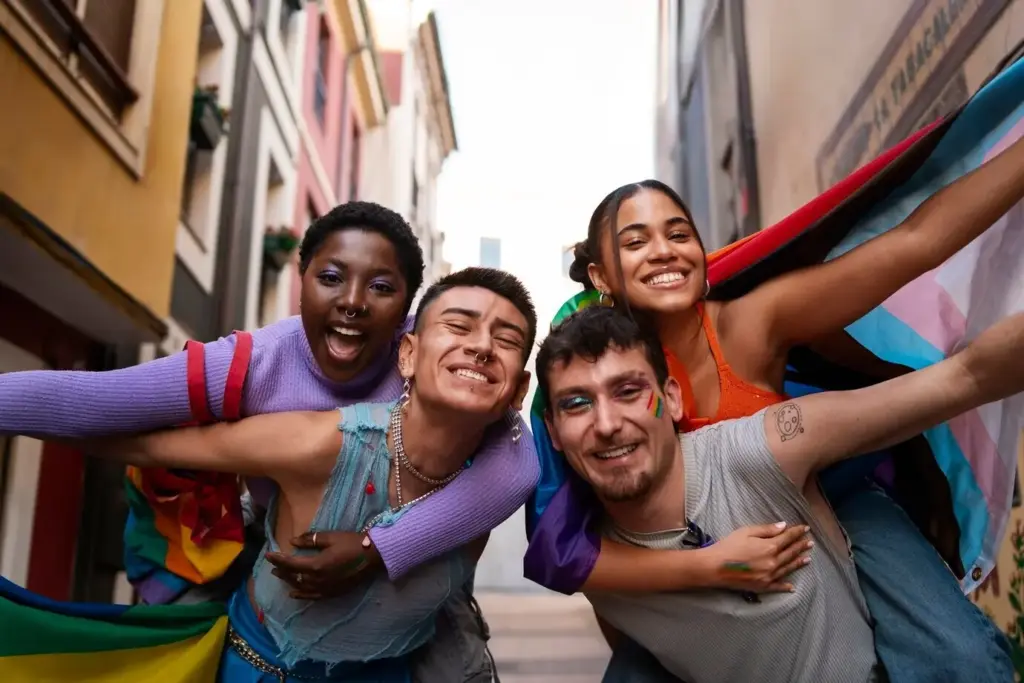
Treat the instruments as living designs. Review patterns in notes and scores, look for equity gaps, and study which routines correlate with positive shifts. Pilot small tweaks, gather new evidence, and refine descriptors. Share findings with learners so they see the cycle. Celebration matters, too: document bright spots, credit specific behaviors, and make improvement visible. Small, steady iterations transform assessment from paperwork into a powerful engine for collective learning.

Find Patterns Without Flattening People

Aggregate data to spot trends—such as improved paraphrasing or more even turn distribution—while protecting individuality. Use heat maps or simple tallies to visualize shifts, then return to narrative notes for nuance. This balance supports wise decisions without reducing humans to numbers. Invite students to interpret findings and propose experiments, strengthening ownership and ensuring that conclusions align with lived experiences rather than distant spreadsheets alone.

Plan–Do–Study–Act for Instructional Tweaks

Choose one small change, such as adding a two-minute pre-brief where teams assign roles and clarify evidence sources. Implement for a week, then study outcomes using the same observation lens. If results improve—more equitable airtime, clearer decisions—adopt and scale. If not, adjust and retest. These pragmatic cycles keep improvement manageable, evidence-based, and responsive to real classroom rhythms and team dynamics across varying units and projects.
Piratavofarikiraloronilo
Privacy Overview

This website uses cookies so that we can provide you with the best user experience possible. Cookie information is stored in your browser and performs functions such as recognising you when you return to our website and helping our team to understand which sections of the website you find most interesting and useful.